
Space Now
Artemis radiation vest clears its lunar test
Space.com and Ars Technica report that the wearable radiation shield sent aboard Artemis I passed its flight test. The result supports protecting crew members directly rather than adding shielding across an entire spacecraft, though it does not by itself clear the vest for operational use.
The story so far
- August 13: This became the lead after current public reporting made it the strongest fresh story.
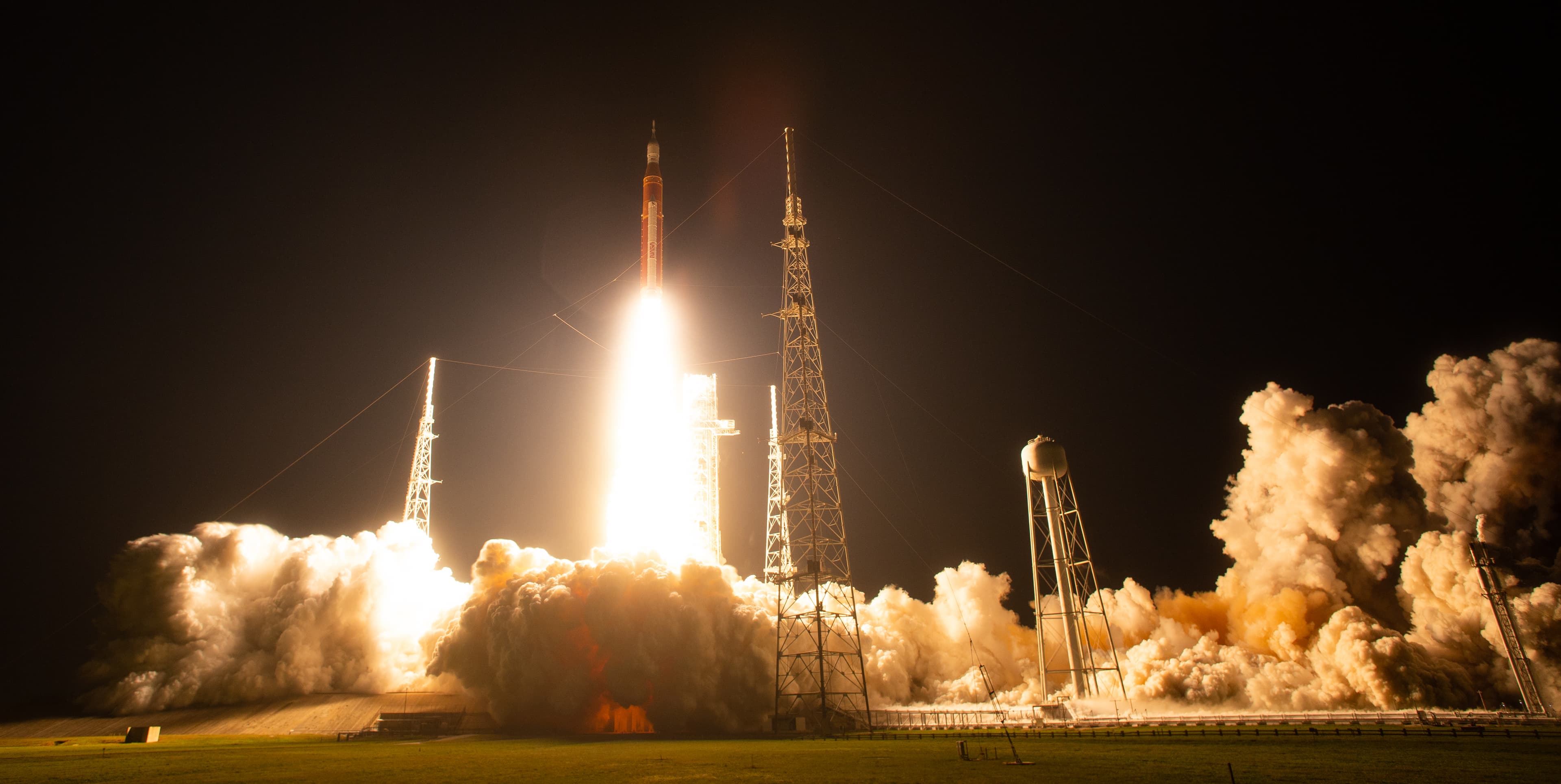
- August 13: The hardware flew in 2022; the fresh development is the reported test result. Attention now shifts from whether the concept worked in lunar space to how it might be incorporated.
Interpretation
Why this matters
Radiation exposure remains a practical limit on long trips beyond Earth’s magnetic protection. A successful lunar test gives mission designers a tested option for reducing that risk without wrapping every part of a spacecraft in extra mass.
Known facts
- A radiation-shielding vest aced its Artemis I lunar test in 2022, suggesting that it could protect astronauts on long-duration missions to the moon or Mars.
- Let's shield the astronauts instead of the spacecraft.
Unknowns
- Whether follow-up public reporting or official updates change the timing, scope, or practical consequence of this story.
Source status
What the sources actually say
Each claim is kept next to its source so the story never overstates what official evidence can actually prove.
Space.com
A radiation-shielding vest aced its Artemis I lunar test in 2022, suggesting that it could protect astronauts on long-duration missions to the moon or Mars.
Ars Technica
Let's shield the astronauts instead of the spacecraft.
Space.com
A radiation-shielding vest aced its Artemis I lunar test in 2022, suggesting that it could protect astronauts on long-duration missions to the moon or Mars.
Open sourceArs Technica
Let's shield the astronauts instead of the spacecraft.
Open sourceTimeline
How the story has developed
A running record of what changed, when, and why. Editorial review Aug 13, 2026.
- August 13: This became the lead after current public reporting made it the strongest fresh story.
- August 13: The hardware flew in 2022; the fresh development is the reported test result. Attention now shifts from whether the concept worked in lunar space to how it might be incorporated.
Corrections
- No corrections recorded.
No separate Starman's Note is needed yet.