

Past briefing
Space Now
What changed, why it matters, and what to watch next.
News from the last 24 hours, plus the ongoing storylines shaping the roadmap
Catch up fast
Today in 60 seconds
The three fastest entry points into today's briefing.
The Briefing
The developments worth your attention right now
If you only have a minute, start here. These are the changes most likely to affect missions, schedules, or the longer arc of the story.
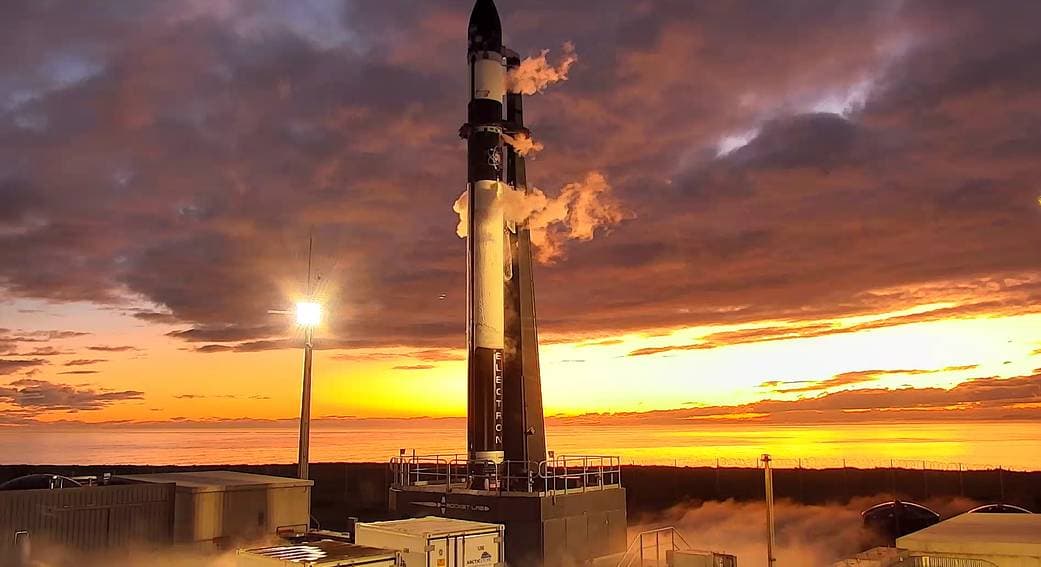
Neutron’s 2026 debut is running out of calendar
The first-stage tank remains aligned for delivery to the launch site in Q4. Qualification work and tests conducted after the rocket arrives will decide whether a 2026 liftoff survives. Rocket Lab also announced a dedicated Neutron mission for Kepler Communications no earlier than 2028.
The warning separates a production milestone from a flight-ready rocket. Reaching the pad this year would not guarantee launch, and a slip into 2027 would delay Rocket Lab’s entry into a larger class of missions.
Executives made the schedule risk explicit: too much critical testing remains to treat a year-end debut as secure, even if the vehicle reaches Wallops on time.
What we know
- Rocket Lab warned that the chances of launching Neutron before the end of 2026 are narrowing. The company still targets delivery to the pad in Q4, where additional testing will be required before launch.
- Rocket Lab said production of the Stage 1 tank remains aligned with delivery to the pad in Q4 2026, while the exact launch date depends on first-stage qualification and other critical tests.
- Rocket Lab is targeting delivery of Neutron to its launch pad in the fourth quarter of 2026, but executives said the remaining window for a first launch before year-end is narrowing [src-1fe8548c9773, src-b20412b66152]. The schedule depends on first-stage qualification and other critical tests, including work performed after the vehicle reaches the pad [src-1fe8548c9773, src-b20412b66152]. Rocket Lab also announced a contract to launch Kepler Communications satellites on Neutron no earlier than 2028 [src-66de17380ec7, src-aee05b81a8ab].
What remains unknown
- Whether the target, status, webcast, or mission outcome changes again after the next public update.
First-stage qualification results and a firmer pad-delivery schedule will show whether any practical 2026 launch window remains.
SpaceNews
Rocket Lab warned that the chances of launching Neutron before the end of 2026 are narrowing. The company still targets delivery to the pad in Q4, where additional testing will be required before launch.
Open sourceSpaceflight Now
Rocket Lab said production of the Stage 1 tank remains aligned with delivery to the pad in Q4 2026, while the exact launch date depends on first-stage qualification and other critical tests.
Open sourceSpaceNews
Rocket Lab is targeting delivery of Neutron to its launch pad in the fourth quarter of 2026, but executives said the remaining window for a first launch before year-end is narrowing [src-1fe8548c9773, src-b20412b66152]. The schedule depends on first-stage qualification and other critical tests, including work performed after the vehicle reaches the pad [src-1fe8548c9773, src-b20412b66152]. Rocket Lab also announced a contract to launch Kepler Communications satellites on Neutron no earlier than 2028 [src-66de17380ec7, src-aee05b81a8ab].
Open sourceRocket Lab
Long Beach, Calif. August 10, 2026: Rocket Lab Corporation (Nasdaq: RKLB), a global leader in launch services and space systems, today announced it has been selected to launch a dedicated Neutron mission for space infrastructure company Kepler Communications Inc (Kepler). Launching from Rocket Lab Launch Complex 3 on Wallops Island, Virginia, no earlier than 2028, Neutron will deploy multiple satellites to low Earth orbit, expanding Kepler’s constellation with additional optical connectivity, on-orbit compute, and hosted mission cargo capacity. The satellites will support a range of commercial and government missions. While Kepler has previously relied on rideshare capacity to deploy its first 33 satellites, this Neutron launch contract is the first time they’ve booked a dedicated mission on a commercial launch vehicle – providing Kepler with much greater control over launch schedule and orbital parameters to meet their constellation requirements. Sir Peter Beck, founder and CEO of Rocket Lab said: “We’re proud to add Kepler to the growing list of organizations selecting Neutron to deliver their missions to orbit. Neutron is the space industry’s next generation medium-lift rocket that pu
Open sourceRocket Lab packs a launch site into shipping containers
GHOST bundles support hardware and range-control equipment into a transportable system for Electron and the suborbital HASTE vehicle.
Responsive launch needs more than a rocket. Moving the ground equipment as a standardized package could shorten the work required to establish operations at another range.
Quick hits
Also worth knowing
Three smaller developments worth keeping on your radar.
Defense customers are treating rapid turnaround less like a niche feature and more like an operating requirement.
Science missionsNASA’s public schedule continues to target Aug. 30, 2026, for the Nancy Grace Roman Space Telescope.Roman is close enough to launch that a firm confirmation or delay would matter quickly.
Lunar infrastructure in development for sustained exploration and science operations.Several NASA-backed CLPS cargo missions remain spread across 2026 and 2027.A durable lunar program needs repeatable deliveries, not isolated landings.
Artemis III prime crew members
Crew assignment is not evidence the mission will launch on time, but it is a concrete development that NASA is moving from architecture drawings into flight preparation.
This turns Artemis III from a program milestone into a named crewed mission with training and integration work now visible.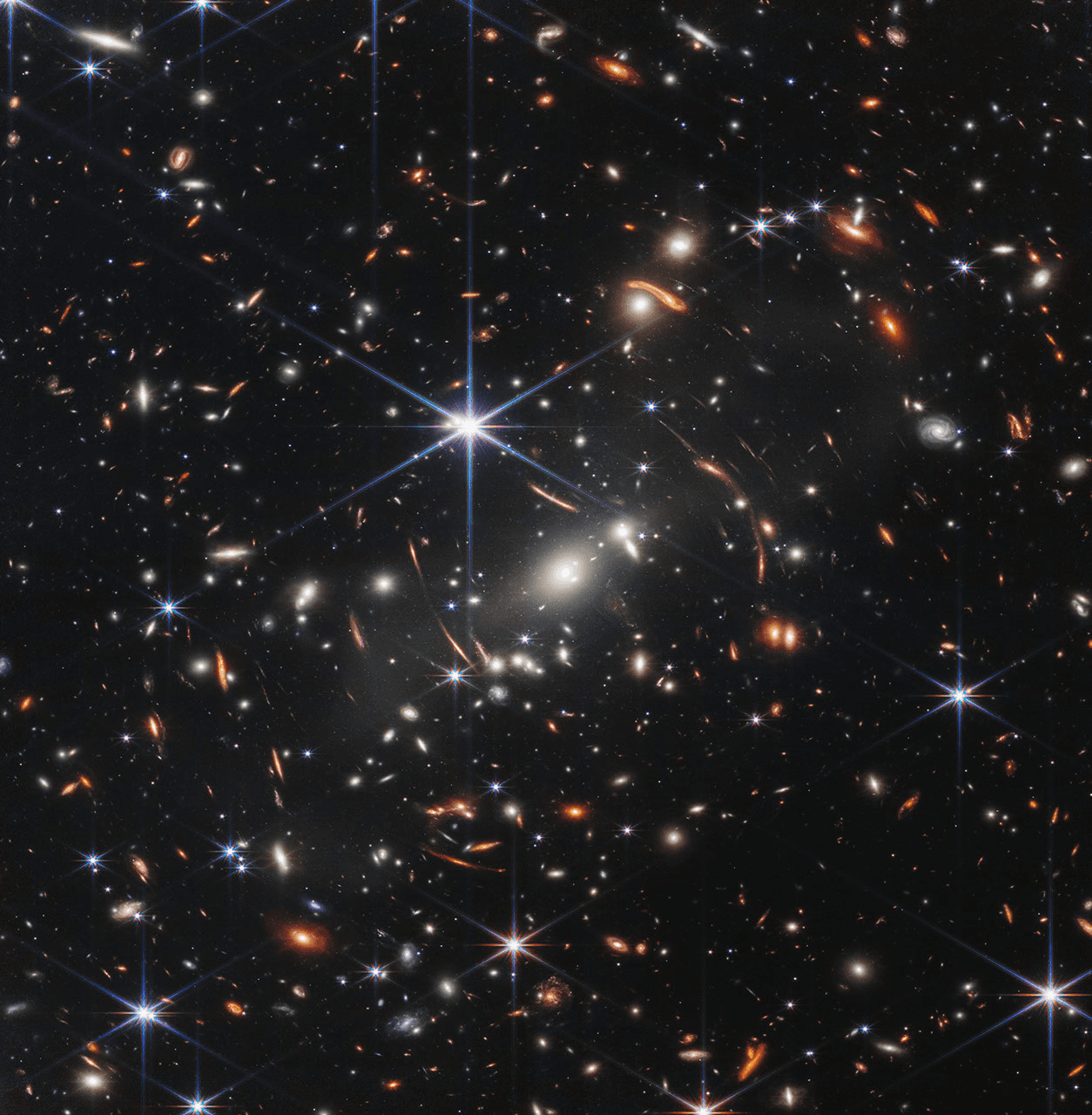
Webb caught a clue about black holes that may have formed first
NASA's Webb team reports evidence that a massive early-universe black hole in Abell2744-QSO1 may have formed before a mature host galaxy.
The image shows a lensed Little Red Dot in Pandora's Cluster, magnified into multiple views that let Webb study gas motion near a distant black hole.
It is a reminder that the same space ecosystem tracking rockets also expands the story of how the universe built its first structures.
You're caught up. Check back after the next source and editorial review.
What to Watch Next
The moments this briefing was watching
These were the events Space Now was watching from this briefing date.
Starship Flight 14 orbital attempt
SpaceX plans an orbital mission with operational Starlink V3 satellites; regulatory clearance and a firm date remain the gates to watch.
New Glenn recovery and test plan
Upper-stage work at Stennis could proceed while Launch Complex 36 is rebuilt, preventing the pad from controlling every part of the schedule.
Falcon 9 launch of MRV-1 from Cape Canaveral
MRV-1 carries a robotic system intended to extend the working lives of satellites in geostationary orbit.