
 Your Guide to Space
Past briefing
Space Now
What changed, why it matters, and what to watch next.
News from the last 24 hours, plus the ongoing storylines shaping the roadmap
Catch up fast
Today in 60 seconds
The three fastest entry points into today's briefing.
The Briefing
The developments worth your attention right now
If you only have a minute, start here. These are the changes most likely to affect missions, schedules, or the longer arc of the story.
Falcon 9 Block 5 | Starlink Group 17-53 is today's launch development
A fresh public update changed the status readers should track. The cited source now provides the clearest reference point for what changed and what to watch next.
The update matters because it changes the next concrete event readers should watch and gives the public a clearer reference point for timing, scope, and follow-up.
A new public update changed the status and moved attention to the next official confirmation.
What we know
- Falcon 9 Block 5 | Starlink Group 17-53 is tracked as go for launch with target Aug 4, 2026, 4:29 PM UTC. This launch helps show how reusable orbital launch keeps turning schedule targets into repeatable service.
What remains unknown
- Whether the target, status, webcast, or mission outcome changes again after the next public update.
Watch for official target-time, webcast, status, or post-attempt confirmation.
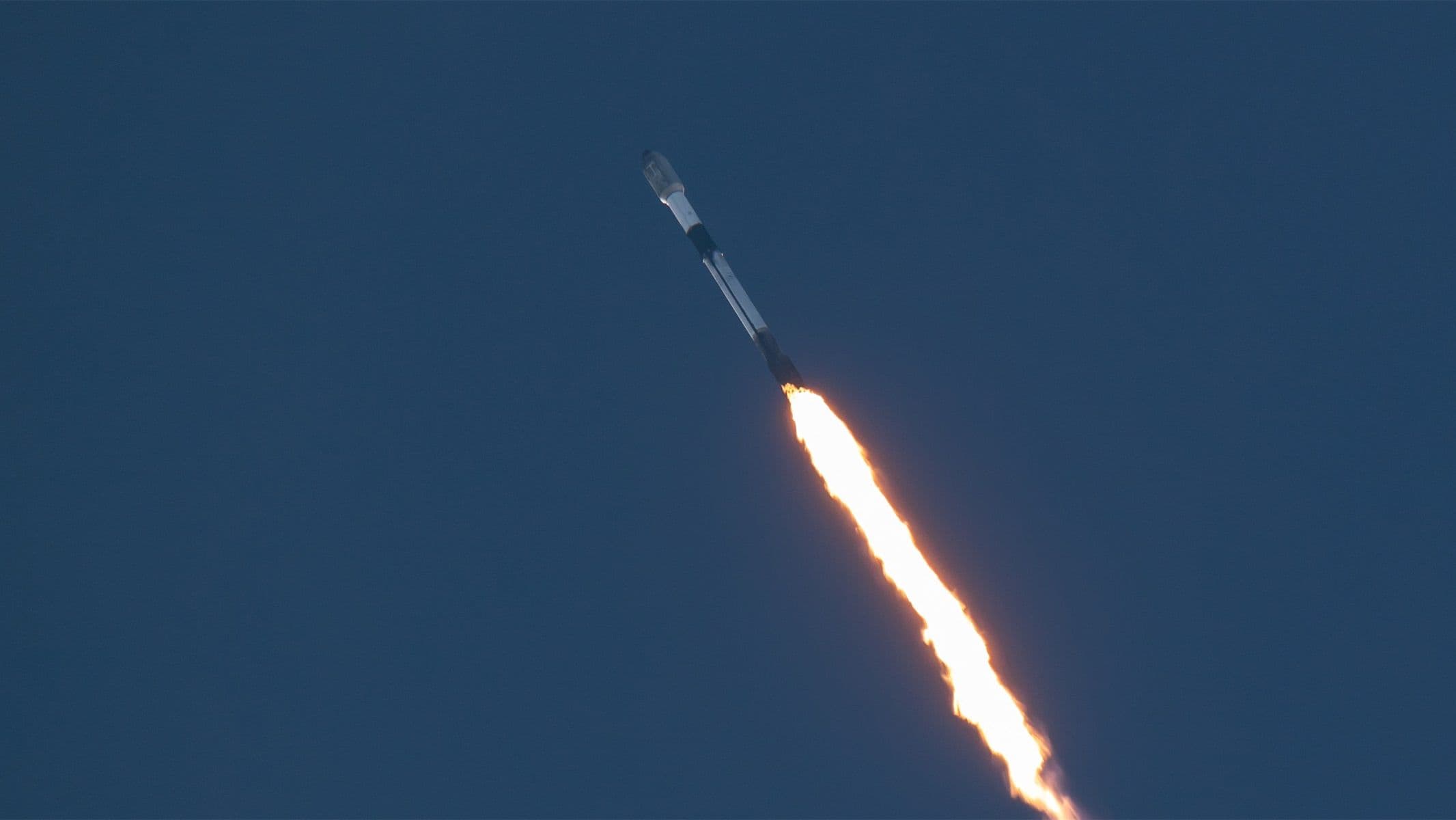
SpaceX
Falcon 9 Block 5 | Starlink Group 17-53 is tracked as go for launch with target 2026-08-04T16:29:39+00:00. This launch helps show how reusable orbital launch keeps turning schedule targets into repeatable service.
Open sourceOn this day in space! Aug. 4, 2007: NASA launches Phoenix Mars lander to Red Planet
On Aug. 4, 2007, NASA launched its Phoenix Mars Lander on a mission to touch down in the Martian arctic for the first time. Here's why it mattered.
This widens Space Now beyond the launch calendar. The development matters when it changes what a mission, company, vehicle, science program, or space-infrastructure path can do next, and Space.com gives readers a concrete source to watch for confirmation.
Quick hits
Also worth knowing
Three smaller developments worth keeping on your radar.
Defense customers are treating rapid turnaround less like a niche feature and more like an operating requirement.
Science missionsNASA’s public schedule continues to target Aug. 30, 2026, for the Nancy Grace Roman Space Telescope.Roman is close enough to launch that a firm confirmation or delay would matter quickly.
Lunar infrastructure in development for sustained exploration and science operations.Several NASA-backed CLPS cargo missions remain spread across 2026 and 2027.A durable lunar program needs repeatable deliveries, not isolated landings.
Artemis III prime crew members
Crew assignment is not evidence the mission will launch on time, but it is a concrete development that NASA is moving from architecture drawings into flight preparation.
This turns Artemis III from a program milestone into a named crewed mission with training and integration work now visible.
Webb caught a clue about black holes that may have formed first
NASA's Webb team reports evidence that a massive early-universe black hole in Abell2744-QSO1 may have formed before a mature host galaxy.
The image shows a lensed Little Red Dot in Pandora's Cluster, magnified into multiple views that let Webb study gas motion near a distant black hole.
It is a reminder that the same space ecosystem tracking rockets also expands the story of how the universe built its first structures.
You're caught up. Check back after the next source and editorial review.
What to Watch Next
The moments this briefing was watching
These were the events Space Now was watching from this briefing date.
Flight 13 assessment and Flight 14 plan
Tile damage and repair work will say more about reuse progress than splashdown imagery.
Blue Origin’s New Glenn recovery plan
Running upper-stage tests alongside pad reconstruction could prevent one workstream from controlling the return schedule.
Falcon 9 launch of MRV-1 from Cape Canaveral
MRV-1 carries a robotic system intended to extend the working lives of satellites in geostationary orbit.